


The Bookmarked Interview... with Hugh Todd

Hugh Todd is the author of It Happened in Clissold Park, a collection of funny, insightful, emotional and interweaving short stories, all set in North London's Clissold Park.

Like Tony Burke in the previous Bookmarked interview, and Chris Baker in the one prior to that, Hugh's day job is in the advertising industry, as an award-winning copywriter. He also co-hosts a podcast which covers outdoor advertising called Behind the Billboard.
Below, Hugh discusses how the idea for his book took shape, why short stories resonate with him, and what books he's been reading, and those he hopes to read in the near future.
Where did you find the inspiration for It Happened in Clissold Park?
I used to walk my dog in Clissold Park most mornings, trying to think of ideas for my day job in advertising. The more time I spent there, the more characters I noticed. I started making up stories involving these characters and, before I knew it, I had a huge amount of material.

Were short, interconnecting stories always the plan for this book?
There was never actually a plan for a book. I’d attended a short story writing course at City University and just wanted to write (unconnected) stories. I got one or two published online which gave me confidence to keep going. My editor then said, 'why not intertwine the stories?'. They were all loosely set in or around the park, so I started to find common characters and narrative arcs and I ended up with one big story about the park.
"I started to find common characters and narrative arcs and I ended up with one big story about the park."
What is it you particularly like about short stories?
The brevity. I’m not a reader of doorstops. Anything over 300 pages I find daunting (same with movies over two hours), so I wanted to write stuff I’d personally like to read.
You co-host a podcast about outdoor advertising called Behind The Billboard; what do you most admire about the brevity and impact of advertising copy?
Great copy on billboards is an art form. You have around three to five seconds to get people’s eyes on your poster, understand it and lodge the brand in their brain. It looks easy. It’s not. It takes time, brutal editing, throwing your babies away, starting over and over until you get to something so good people will take a photograph and post it on social media, further amplifying the message.

If you get it right, you can change the fortunes of a brand overnight, increasing brand awareness, sales and even the share price. That’s a rare skill. [Legendary ad man] Sir John Hegarty [above] summed it up brilliantly on episode #26 when we asked him what defines a great poster: “Brevity and brilliance.”
What is the first book you remember loving?
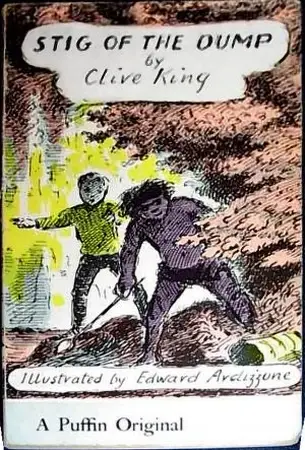
Stig of the Dump, a brilliant tale of escapism. To this day I can still imagine Stig in his chalk pit.
Which literary character would you most like to be?
Inspector Imanishi from the Seichō Matsumoto novel Inspector Imanishi Investigates. I got totally absorbed into his character and his obsession with trying to solve a homicide case. It’s set in Japan in the 60s and is a fascinating glimpse into Japanese society at a time of great change.
What is your favourite movie/TV show adapted from a book?
I thought Conclave was brilliant and lived up to the book. Fiennes should’ve got the Oscar. The support cast were brilliant too. Isabella Rossellini spoke very little but said so much. The whole film was a masterpiece; the cinematography, the soundtrack, the editing... I could watch it over and over.

Which book do you think should be adapted for the screen that, so far, hasn’t been?
The Wall by John Lanchester.
Tokyo Express by Seicho Matsumoto.
Butcher’s Crossing by John Williams.

What’s your favourite place to write?
I often find myself talking ideas into my phone while wandering around Clissold Park. But I suppose, when I need to knuckle down and put stuff on paper, I like the quiet focus of the Islington Central Library, by Highbury Fields. And if the library is busy then it’s the front room at home with the curtains drawn, door shut and fire on. It makes me feel like I’m in a cave of creativity, even though it could well be midday and sunny outside.
What was the last book you read, and would you recommend it?
The Vegetarian by Han Kang, a powerful and surreal story about the a woman who stops eating meat. She was the first South Korean to win the Nobel Prize for Literature. It was a controversial book when it was published in 2007, and was the first South Korean book I’d ever read, and I loved it.
"I never start writing unless I have an ending. I can’t bear the thought of scribBling away at length not knowing where I’m heading."
Which book's next on your reading list?
The Island of Missing Trees by Elif Shafak.
Plotter or pantser?
I never start writing unless I have an ending. I can’t bear the thought of scribbling away at length not knowing where I’m heading. My advertising background means I’ve been trained to always ask, 'what is the idea?'. So I suppose that’s what I do quite a bit on my story writing. What is the idea? A beginning, middle and end... I was reassured this approach is also favoured by one of my favourite writers, Robert Harris.
You’re starting a book club with four other authors; who would you choose?
Ian McEwan, John Lanchester Robert Harris and Nora Ephron. It would keep me happy, at least.
What book do you think you should have read, but still haven’t?
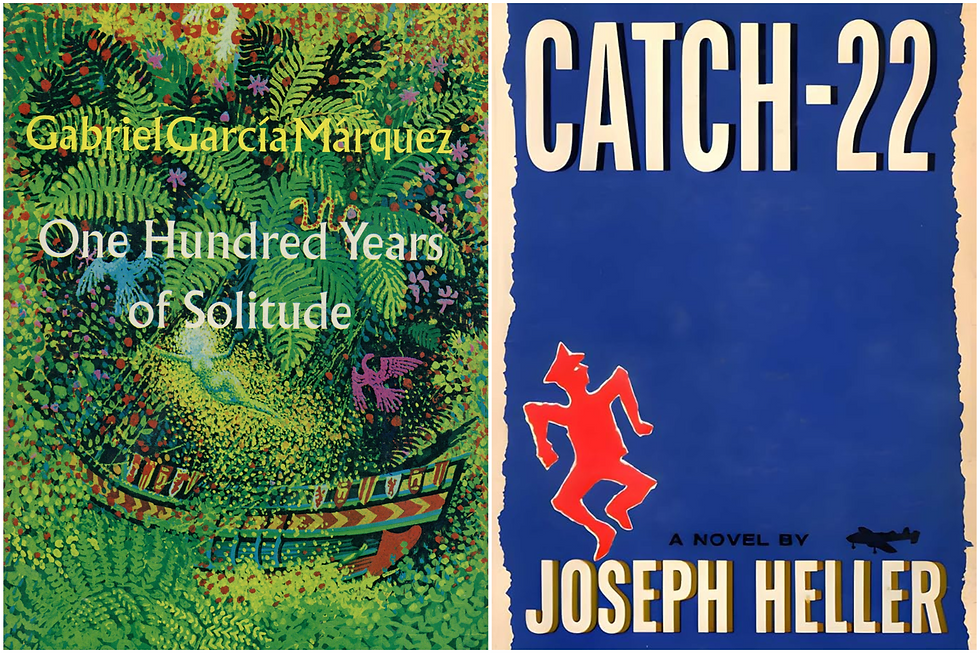
100 Years of Solitude.
Catch 22.
The Bible.
Which of your own books are you most proud of?
Just the one so far! It Happened in Clissold Park.
How do you organise your bookshelves?
Size.
"On the back burner is a fictional account of how my mother and her carer escaped from a care home."
If you could only read one book for the rest of your life, which would it be?
Frankenstein by Mary Shelley.
What are you currently working on?
The follow up to It Happened in Clissold Park. It’s pretty much going to be a sequel, a mix of a stories that never made it into the first novel, plus new ones, all of which need to be knitted together. Also on the back burner is a fictional account of how my mother and her carer escaped from a care home and helped clear the carer's gambling debts by going to Vegas and winning big.


kèo nhà cái mình thấy bạn bè nhắc hoài nên tiện tay vào lướt thử cho biết thôi. Mình không đọc kỹ nội dung gì đâu, chủ yếu xem cách họ làm giao diện có dễ nhìn không. Ấn tượng đầu là trang khá sáng sủa, khoảng trắng vừa đủ nên không bị ngộp chữ, nhìn một cái là biết chỗ nào là phần chính. Mấy thông tin họ để theo dạng khối và canh hàng khá gọn, kiểu liếc qua là bắt được ý chứ không phải căng mắt dò từng dòng. Mình cũng thích cái menu đặt ngay chỗ dễ thấy, bấm qua lại giữa các mục nhanh, không bị vòng vèo. Nói chung lướt vài phút là…